
Improving airflow in air conditioning for houses
Maximise cooling efficiency, reduce energy bills, and keep your home air conditioning running smoothly with simple, effective airflow improvements.
Proper airflow is one of the most critical factors in keeping your home cool and comfortable. Even the most powerful air conditioning for houses can underperform if air cannot move freely throughout your home. Poor airflow leads to uneven cooling, higher energy bills, and overworked AC units, which can shorten the life of your system and create discomfort during the hottest days. Understanding how to manage and improve airflow is essential for homeowners looking to maximise comfort and efficiency.

How can you improve the airflow in air conditioning for houses?

Clean and replace air filters regularly
When filters become clogged, airflow is restricted, causing your system to work harder to cool your home. This not only increases energy consumption but also reduces the overall effectiveness of your air conditioning for homes. To maintain optimal airflow, it is recommended to check filters every month during peak use and replace them at least every three months. Homeowners should use high-quality pleated filters or HEPA filters where suitable, as these allow air to pass freely while still capturing contaminants. Clean and properly replaced filters are an easy and cost-effective way to improve cooling efficiency without any major system upgrades.

Keep vents and registers unblocked
Furniture, curtains, and even decorative items can unintentionally block vents and registers, restricting airflow and creating uneven cooling in your home. It is important to position sofas, tables, and other large pieces of furniture away from vents and ensure that curtains or blinds do not obstruct the air supply. Opening vents fully and ensuring they remain unobstructed allows air to flow freely, circulating cool air throughout each room. Properly managed airflow not only enhances comfort but also reduces the workload on your air conditioning for homes, which can extend the lifespan of the air conditioning system and save on energy costs.

Inspect and seal ductwork
Leaky or poorly connected ducts are a common source of reduced airflow in homes. Even small gaps or holes in ductwork can result in significant energy loss, with cooled air escaping before it reaches living spaces. Regular inspections and sealing of ducts ensure that air travels efficiently from the unit to every room. Using mastic or metal tape rather than standard duct tape is recommended to maintain long-lasting connections. Sealed and well-maintained ductwork improves overall cooling efficiency, allowing your air conditioning for houses to perform at its best without unnecessary strain. It also helps cut energy bills and keep your home comfortable.
Upgrade or maintain your air conditioning fan
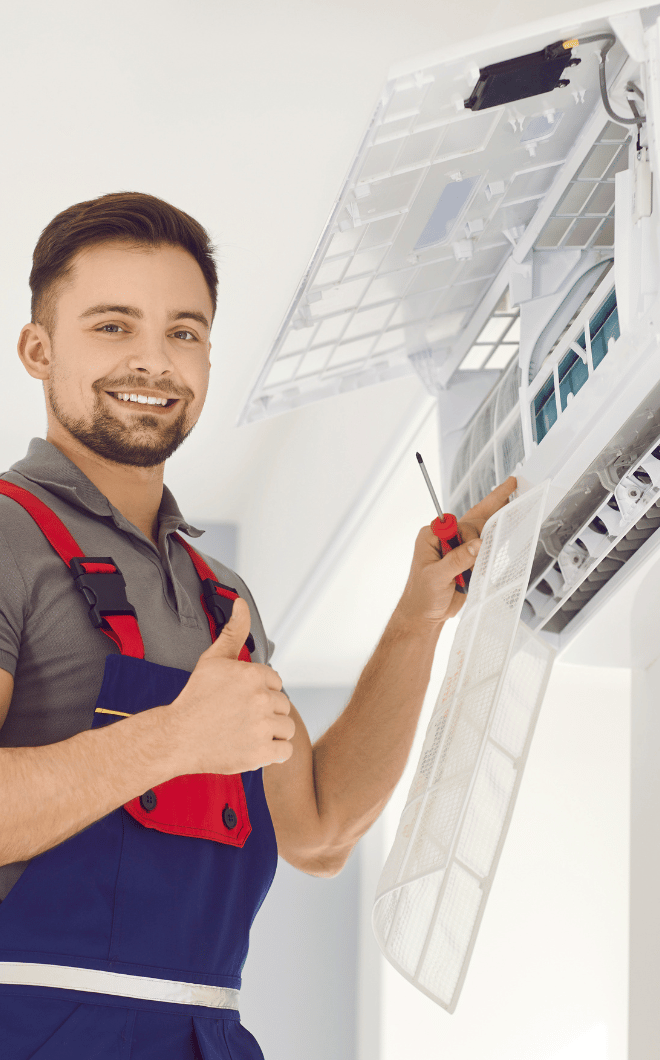
The fan within your air conditioning system plays a key role in circulating air effectively. A high-efficiency fan or a properly sized unit ensures that cool air reaches every corner of your home. Regular maintenance, such as cleaning fan blades and checking for motor wear, keeps airflow consistent. Adjusting fan speeds can also optimise circulation, particularly when different rooms require different cooling levels. By focusing on fan performance, homeowners can significantly improve the overall efficiency of their air conditioning for homes, reduce energy consumption, and maintain a more comfortable environment. It also extends system life.
Improving airflow in home air conditioning
Improving airflow in home air conditioning is essential for achieving consistent cooling, reducing energy bills, and extending the lifespan of your system. Simple steps like cleaning filters, keeping vents unblocked, inspecting ducts, and maintaining or upgrading fans can make a noticeable difference in performance. For homeowners looking to maximise comfort and efficiency, attention to airflow is just as important as the size or brand of the unit. Investing time and effort in these improvements ensures your home remains cool and your air conditioning system runs smoothly for years to come.
If you are interested in further optimising your system, learn more about residential air conditioning options that can be tailored to your home.
Our services
Residential air conditioning
Commercial air conditioning
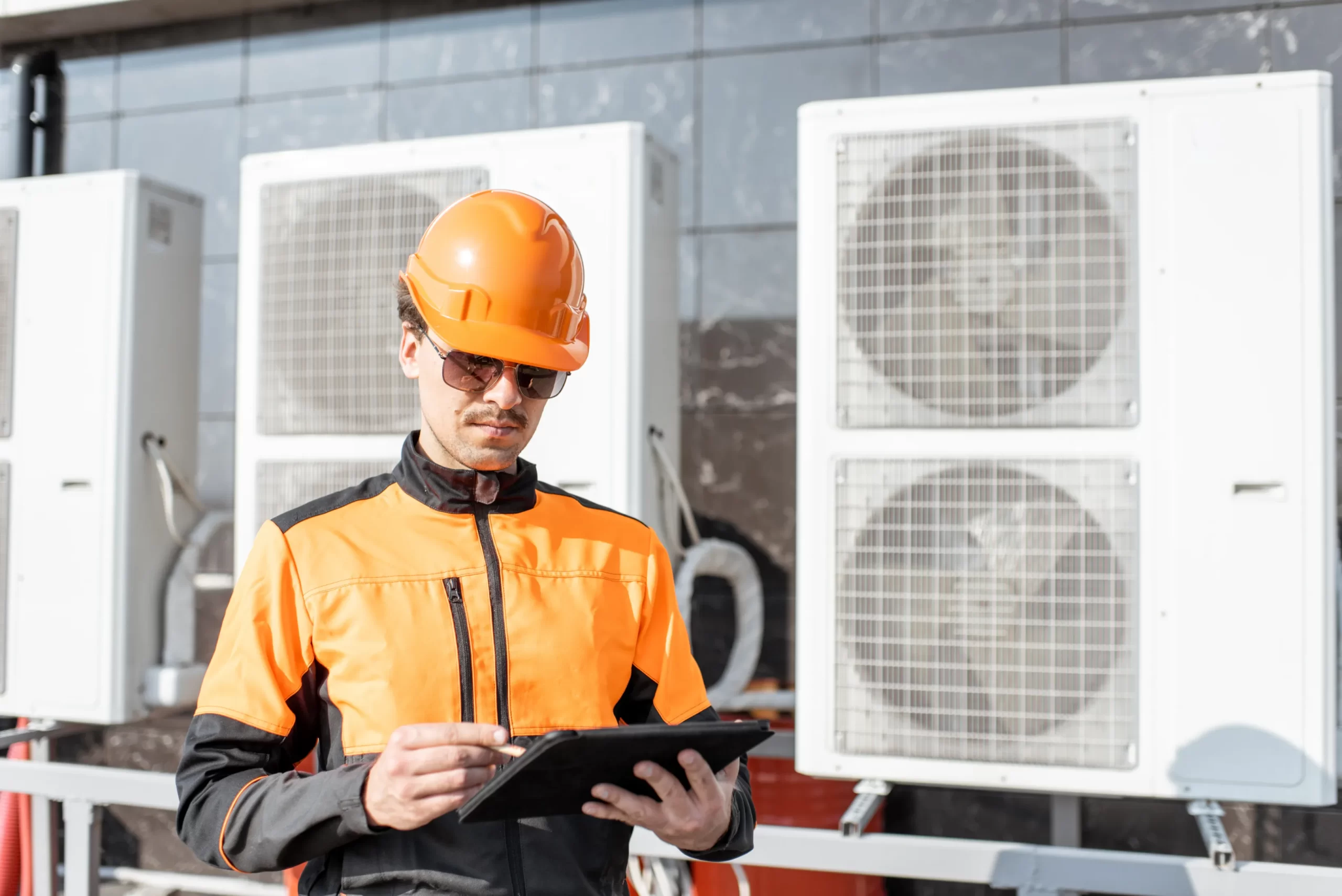
Air conditioning service and maintenance
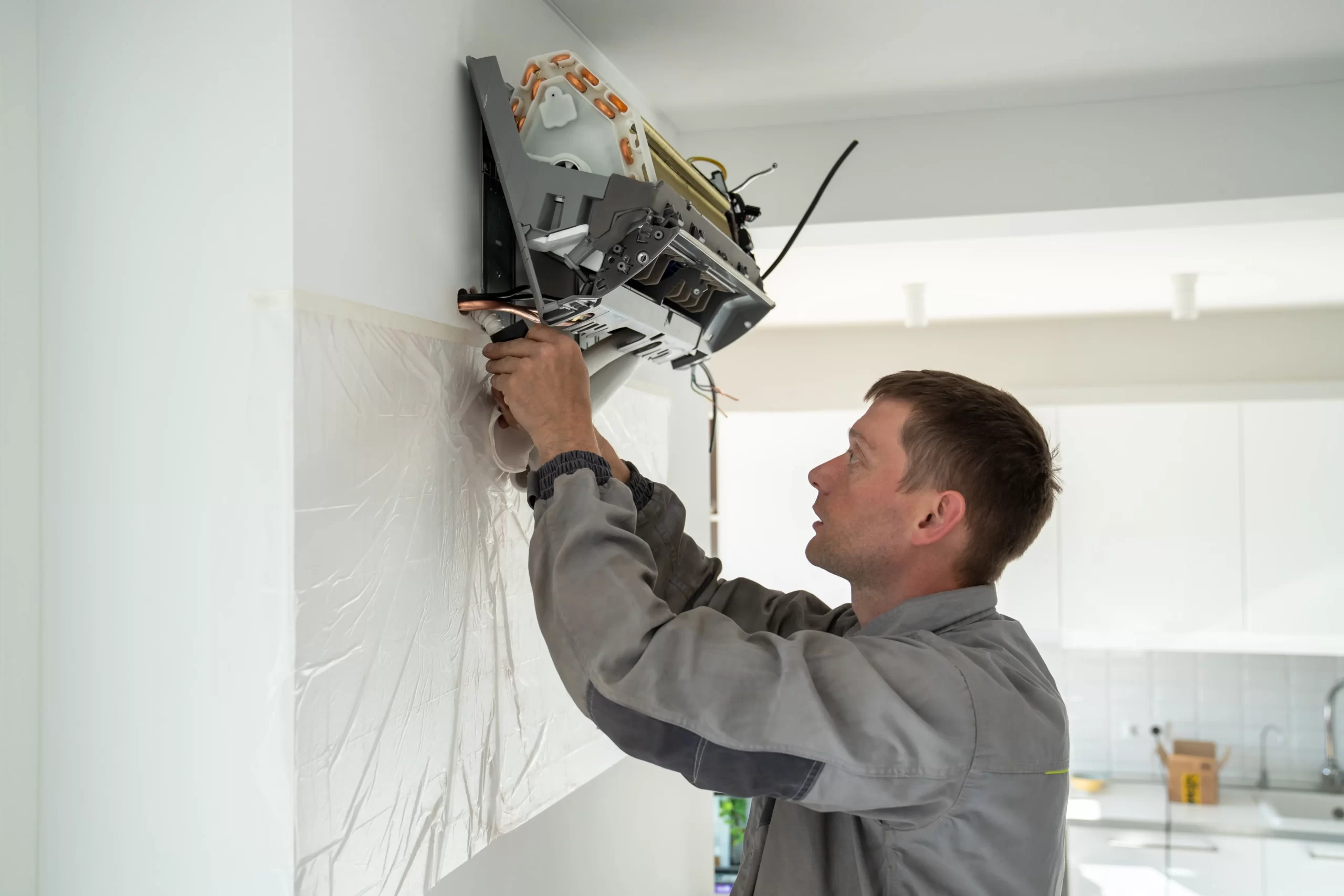
Air conditioner repair

Ducted air conditioning
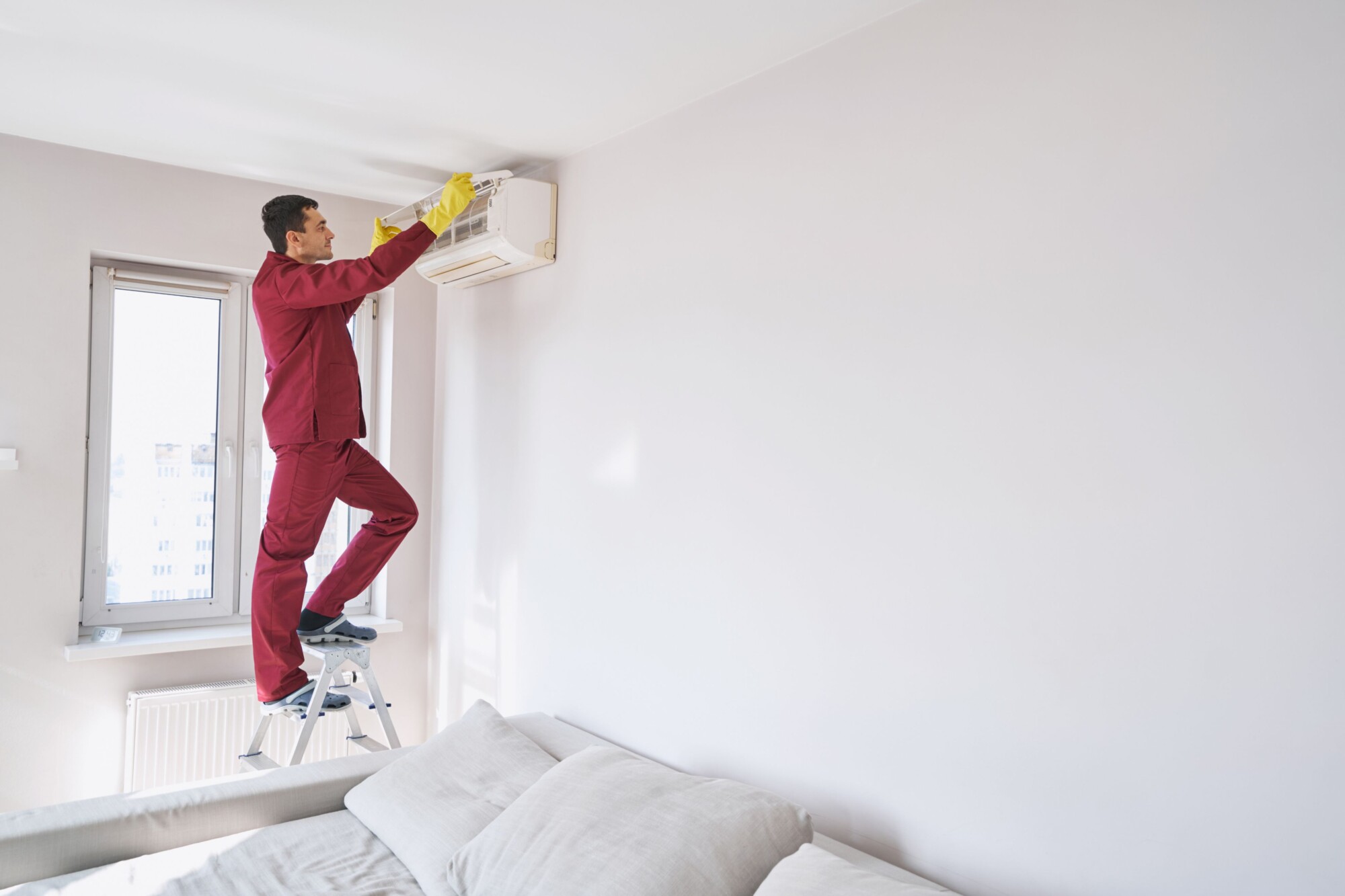
Air conditioner installation
What our customers say about us
“Thank you for installing our new air conditioner we are very happy with the results and we thank the technicians too for installing it in very trying conditions”
REGARDS, ERROL AND PAM NATHANIEL
FAQs
Can closing vents in unused rooms improve airflow?
Closing vents in unused rooms can redirect airflow to occupied areas, but it should be done cautiously. Over-closing vents can cause pressure imbalances, leading to reduced efficiency and potential system strain. It’s advisable to consult with a professional before making significant adjustments to vent settings.
How often should I have my air conditioning system serviced?
Regular maintenance is key to optimal performance. It’s recommended to have your system serviced at least once a year, preferably before the cooling season begins. Professional servicing can identify and address potential issues, ensuring efficient operation and extending the lifespan of your unit.
Does the placement of furniture affect air conditioning efficiency?
Yes, furniture placement can impact airflow. Large pieces obstructing vents or registers can restrict air movement, leading to uneven cooling. Arrange furniture to allow unobstructed airflow and consider placing vents in areas where air can circulate freely throughout the room.