
A residential AC or heat pump—what should you choose?
Whether you choose a residential air conditioner or a heat pump, we’ll help you understand what works best for your home and budget.
Tossing up between a residential air conditioner and a heat pump? It’s a common question for Aussie homeowners—especially with rising energy costs and unpredictable weather. The system you choose can affect your comfort, energy bills, and how well your home handles seasonal changes.
In short, a residential air conditioner cools your home and usually needs a separate heating system. A heat pump does both—cooling in summer and heating in winter—by reversing the refrigeration process. Both can work well, but the right choice depends on your climate, usage, and budget.

How to choose between a residential AC and heat pumps

Cooling performance compared
When it comes to cooling, both systems do a good job—but in slightly different ways. A residential AC is designed purely for cooling and usually has an edge during scorching Aussie summers, especially inland. It cools quickly and consistently, making it a great choice if cooling is your main goal. Heat pumps also cool effectively, though they can be less powerful in extreme heat. In milder areas like coastal New South Wales or southern Queensland, they work just fine. Both are fairly quiet, and while both filter the air, some heat pumps offer extra air quality features.

Heating capability and flexibility
Here’s where heat pumps really shine. While a standard AC doesn’t heat (you’ll need to pair it with a separate system like a gas heater or electric panel), heat pumps switch seamlessly between heating and cooling. This makes them super flexible for year-round use. In milder climates, a heat pump may be all you need for both seasons. No extra heater required. In colder areas, you might still need backup heating, but for many homeowners, the all-in-one nature of a heat pump makes life easier—and often cheaper in the long run. It’s a simpler setup that works smarter, not harder.

Energy efficiency and operating costs
Heat pumps generally win here because they move heat rather than create it, using far less electricity to get the job done. This makes them one of the most energy-efficient options on the market, especially for homes already using solar power. In comparison, a residential AC teamed with resistance heating (like electric wall heaters) can chew through more energy. That means higher running costs over time. Heat pumps also tend to qualify for more rebates and incentives under Australian energy efficiency programs, so you could save even more depending on your state or territory.

Installation and upfront costs
Installing a residential air conditioner is usually more affordable up front, particularly if you’re only looking to cool the home. But if you also need a separate heater, the costs can add up fast. Plus, you’ll be managing two systems instead of one. Heat pumps often come with a higher initial price tag, but they eliminate the need for a second unit. That means less equipment, less space, and often, a simpler installation process. For new builds or full upgrades, heat pumps can be the more cost-effective choice once you factor in long-term savings and fewer components to maintain.

Upgrade your home’s comfort with the right system today
If you’re ready to make your home more energy-efficient and comfortable year-round, get in touch with us today at Coastal Air. Whether you’re considering a traditional residential air conditioner or thinking about switching to a heat pump, our team can guide you through the best option for your space and budget.
We’ll help you find a residential air conditioning solution that suits your climate, supports long-term savings, and keeps your home at the perfect temperature, no matter the season.
Our services
Residential air conditioning
Commercial air conditioning
Air conditioning service and maintenance
Air conditioner repair

Ducted air conditioning
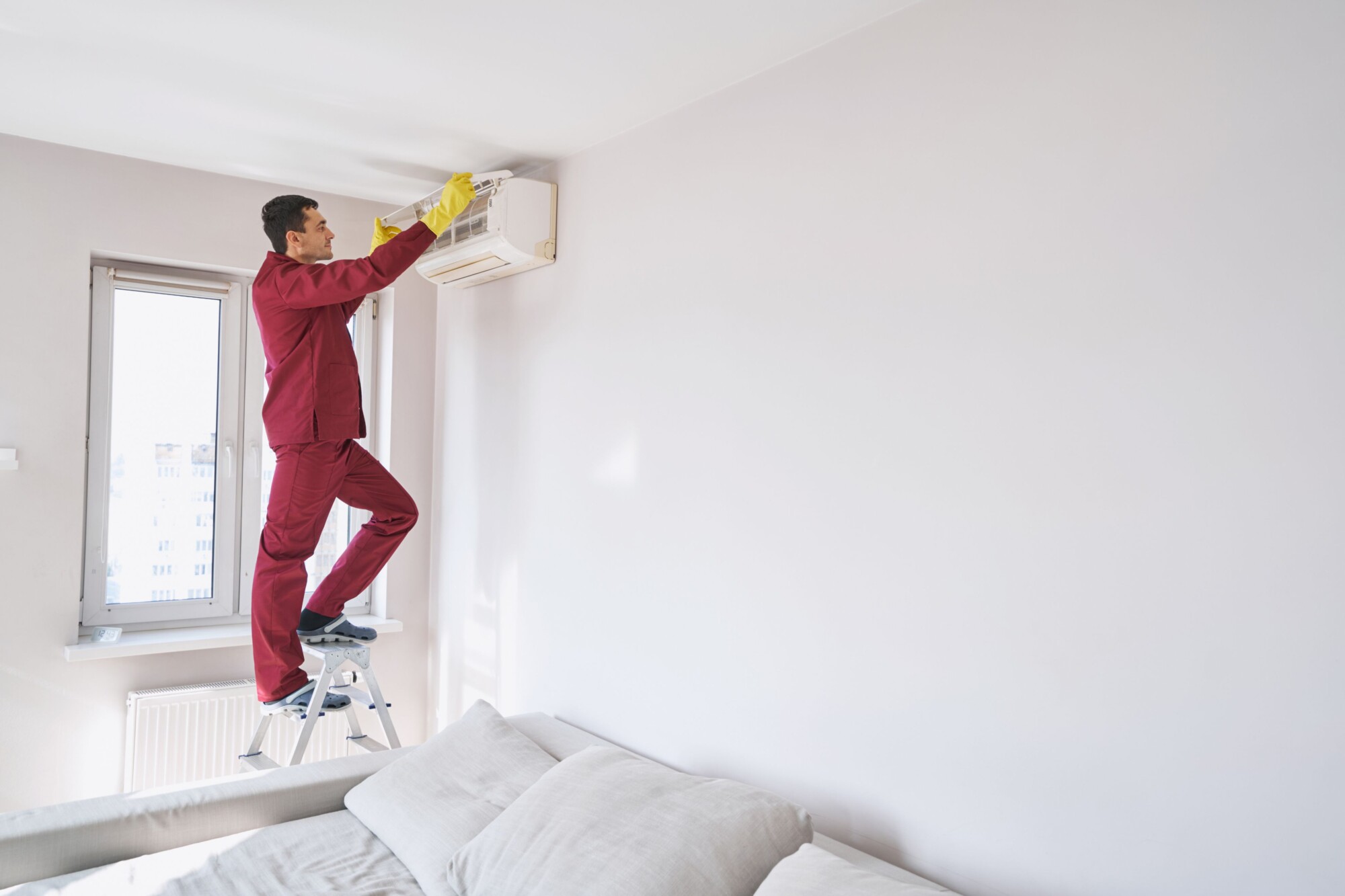
Air conditioner installation
What our customers say about us
“Thank you for installing our new air conditioner we are very happy with the results and we thank the technicians too for installing it in very trying conditions”
REGARDS, ERROL AND PAM NATHANIEL
FAQs
Can I add a heat pump to an existing AC system?
In some cases, yes—especially if the ductwork and space allow for it. But it’s best to have a professional check whether your current system can handle the upgrade or if a replacement makes more sense.
Are heat pumps suitable for older homes?
Absolutely. As long as the home is reasonably well insulated, a heat pump can work just as well in older houses. In fact, it might improve comfort significantly in homes that struggle with temperature control.
Do heat pumps work during power outages?
Like other electric systems, heat pumps need power to operate. If your area is prone to outages, you might consider a battery backup or generator, especially if heating is essential during winter.