
How much to install split air conditioning in a house
Plan the household budget effectively by understanding the baseline expenses, hardware options and regional installation variables for modern wall-mounted climate systems.
Investing in localised climate control requires a clear understanding of the initial financial outlays and structural requirements involved. Property owners across the region frequently evaluate how much to install split air conditioning in a house to secure optimal indoor temperatures before seasonal weather shifts arrive. Because every property features a distinct architectural layout, uniform pricing rarely applies to modern installations, making a detailed assessment of individual property traits absolutely essential.
Hardware capacities, premium technological features and the physical configuration of the premises directly dictate the final invoices submitted by licensed trade professionals. Gaining detailed insights into these independent variables enables families to make highly informed financial choices while actively protecting their long-term household budgets. Navigating the domestic market with accurate financial benchmarks ensures that regional property owners achieve dependable year-round climate regulation without encountering unexpected out-of-pocket expenses.

Understanding the core price components of residential cooling

System capacity requirements
The total capacity of a new cooling unit dictates the baseline machinery expenditure. Small single-room structures requiring minor thermal systems remain highly affordable, providing great options for small home offices or standard bedrooms. Conversely, broad open living zones require massive commercial systems exceeding eight kilowatts to shift larger interior air volumes properly. Residents needing to learn how much to install split air conditioning in a house should evaluate total room dimensions to avoid purchasing the wrong hardware assets. Ensuring a precise thermal matching step minimises structural wear, avoids high power invoices and maintains real system longevity.

Physical structural limits
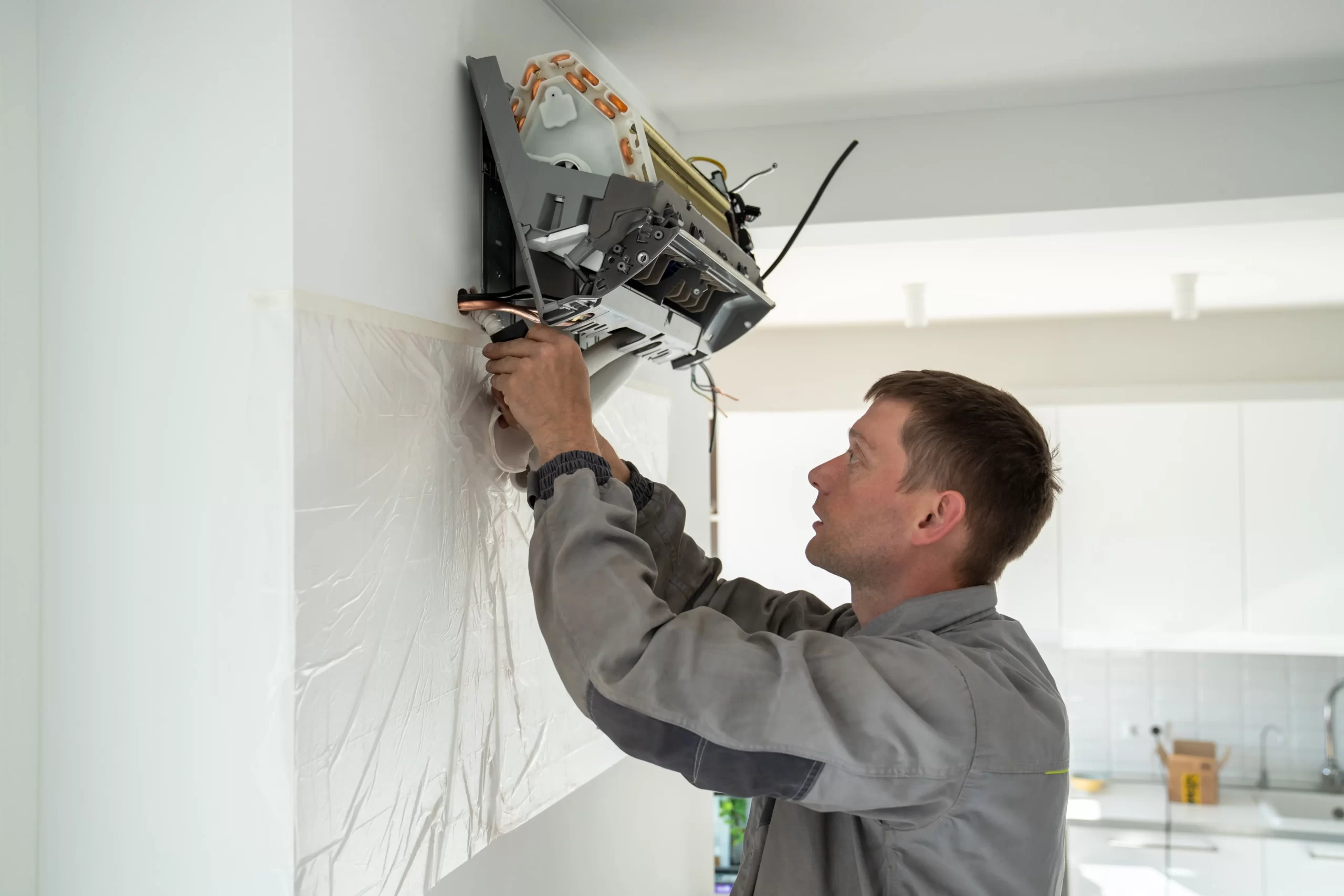
The architectural layout of a domestic dwelling introduces physical challenges that can directly impact complete trade billing. Single-storey brick houses allowing simple back-to-back setups where an outside compressor sits immediately behind a modern internal fan face offer a cheaper pathway. Multi-level property designs, double-brick walls or difficult apartment blocks demand custom piping tracks, roof-mount brackets or long structural drill paths. When working out how much to install split air conditioning in a house, individuals must track these hidden engineering problems because extensive trade hours and custom support materials naturally increase final project bills.
Electrical board capability
Integrating high-performance climate hardware demands substantial power loads that original domestic switchboards rarely handle without modifications. Vintage properties throughout coastal suburbs often feature antique internal panels lacking modern safety switches or accurate current capacity thresholds to support premium units. Certified local tradesmen must run dedicated lines straight from your main service panel out to an outdoor unit to guarantee full compliance. Analysing how much to install split air conditioning in a house means checking if an early switchboard upgrade is required, as adding modern safety switches adds a necessary layer to immediate project fees.

Selected brand technology
Different equipment builders place their premium technological ranges across separate price brackets according to mechanical refinement and warranty backing. Premium manufacturers delivering modern variable inverter power systems, wireless smart apps and exceptional air filtration layers command high industry rates. Value-focused brands are known to offer basic, dependable temperature control at a low upfront cost but lack high-end automation tools. Owners discovering how much to install split air conditioning in a house must weigh upfront equipment costs against estimated electrical reductions, verifying that chosen hardware matches the lifestyle choices of their family.
Securing professional guidance for local property installations
Navigating the financial and mechanical complexities of domestic climate upgrades requires localised technical expertise and certified diagnostic precision. While generalised online estimators provide helpful baseline ranges, receiving an accurate, fully tailored price breakdown requires a comprehensive on-site structural evaluation from qualified local trade professionals. Experienced technicians analyse architectural exposure, internal insulation levels and window orientations to specify an ideal system layout that guarantees reliable thermal performance throughout the most demanding seasonal extremes.
Coastal Air provides comprehensive technical consultations and certified installation services tailored for diverse properties across the entire Central Coast geography. The experienced internal team evaluates legacy configurations, analyses electrical switchboard capacities and recommends dependable hardware configurations that match unique structural demands and corporate budget targets. Focusing on exceptional trade compliance, compliant safety protocols and clear financial transparency ensures that every newly integrated unit delivers peak operational output over years of continuous service. Property owners looking to optimise their personal indoor environment can engage Coastal Air to explore premium residential air conditioning solutions designed for lasting reliability and comfort.
Our services
Residential air conditioning
Commercial air conditioning

Air conditioning service and maintenance

What our customers say about us
“Thank you for installing our new air conditioner we are very happy with the results and we thank the technicians too for installing it in very trying conditions”
REGARDS, ERROL AND PAM NATHANIEL
FAQs
What does a standard back-to-back installation include?
A standard back-to-back setup includes mounting the internal fan unit on an external wall and placing the compressor unit directly outside on a level ground base. This setup includes up to three metres of insulated copper piping, electrical interconnect cables and standard PVC duct covers to protect the external components.
Can an existing multi-split system configuration save on installation costs?
Utilising pre-existing pipe runs or structural holes can occasionally reduce structural drilling times during property upgrades. However, because contemporary refrigerants and modern electrical communication standards require specific pipe wall thicknesses and distinct wiring configurations, technicians frequently install entirely new lines to protect equipment warranties.
Why do licensed technicians require specialised ARC authorisation?
The Australian Refrigeration Council strictly regulates the handling of specialised chemical refrigerants to prevent accidental environmental discharge. Licensed trade professionals holding valid handling authorisation possess the mandatory safety training and diagnostic machinery required to charge, commission and test modern systems in full compliance with environmental laws.