
Matching your layout: What the best air conditioning system for a home depends on
Find the ideal climate control solution tailored to your floor plan, building orientation, and year-round indoor comfort.
Residential climate control has moved far beyond standard off-the-shelf installations. Every floor plan presents distinct physical conditions, where factors like ceiling height, window orientation, and daily usage patterns directly dictate cooling performance. Because architectural designs vary, determining what the best air conditioning system for a home is requires evaluating how airflow moves through each individual space.
There is no single universal solution for every property. Selecting the right setup depends on balancing roof space availability, zoning flexibility, and long-term operating costs. Engaging experienced local air conditioning specialists ensures the chosen design aligns seamlessly with the home’s layout for consistent comfort and energy efficiency.

Layouts and floor plans: What the best air conditioning system for a home depends on

Open-plan living areas & single-storey layouts
Managing airflow across connected kitchens, living, and dining zones requires careful planning. For these large spaces, determining what the best air conditioning system for a home is often means deciding between a high-capacity reverse-cycle split unit and targeted ducted zoning. Both options efficiently maintain balanced indoor temperatures across expansive single-storey footprints. The right choice ensures consistent climate control during extreme Australian weather, without relying on excessive power consumption to keep the entire living area comfortable.

Multi-storey and split-level family homes
Heat naturally rises, making climate control in multi-storey and split-level properties particularly challenging. Keeping upper bedrooms cool while maintaining comfortable living areas on the ground floor requires strategic design. Utilising a multi-zone ducted setup allows for independent, level-by-level temperature management. Careful equipment placement ensures quiet indoor units are positioned well away from sleeping areas. This thoughtful approach guarantees peaceful nights and perfectly balanced temperatures throughout the entire
family home.

Compact apartments, townhouses & small footprints
Working with a restricted wall or outdoor space means maximising indoor climate comfort requires a clever approach. Compact apartments and townhouses benefit immensely from installing single-split or multi-split inverter systems targeted at key high-use areas. These compact solutions offer a fantastic balance between sleek wall aesthetics, whisper-quiet operation, and high energy efficiency ratings. Sizing the units correctly ensures premium comfort is achieved without overwhelming the room visually or taking up too much valuable outdoor balcony space.

Home renovations, extensions & retrofits
Integrating modern air conditioning across mixed structural areas involves unique challenges. When blending old builds with new extensions, homeowners must overcome ceiling cavity limits and raked roof constraints that complicate ductwork installation. A thorough assessment determines whether expanding the current system or installing dedicated secondary units for newly added spaces makes the most sense. This tailored approach guarantees consistent climate control without compromising the structural integrity or design of the fully renovated property.

Custom-designed layout and system selection
Selecting the perfect climate solution requires more than guesswork. A custom-designed approach begins with a comprehensive site assessment and detailed layout analysis. By conducting accurate heat load calculations, checking window orientations, and factoring in local coastal weather conditions, the final system is tailored to perform flawlessly year-round.
Coastal Air Conditioning provides expert consultations to ensure every setup delivers ultimate comfort. Their dedicated team guides homeowners through star ratings, inverter efficiency, and long-term operating cost savings, ensuring every residential air conditioning system is perfectly sized for the space. They bring unmatched local expertise to both professional installation and reliable ongoing maintenance.
Reach out to Coastal Air Conditioning today to discover how a custom-designed layout and expert system selection can make your property more comfortable, highly efficient, and perfectly suited to your lifestyle.
Our services

Residential air conditioning
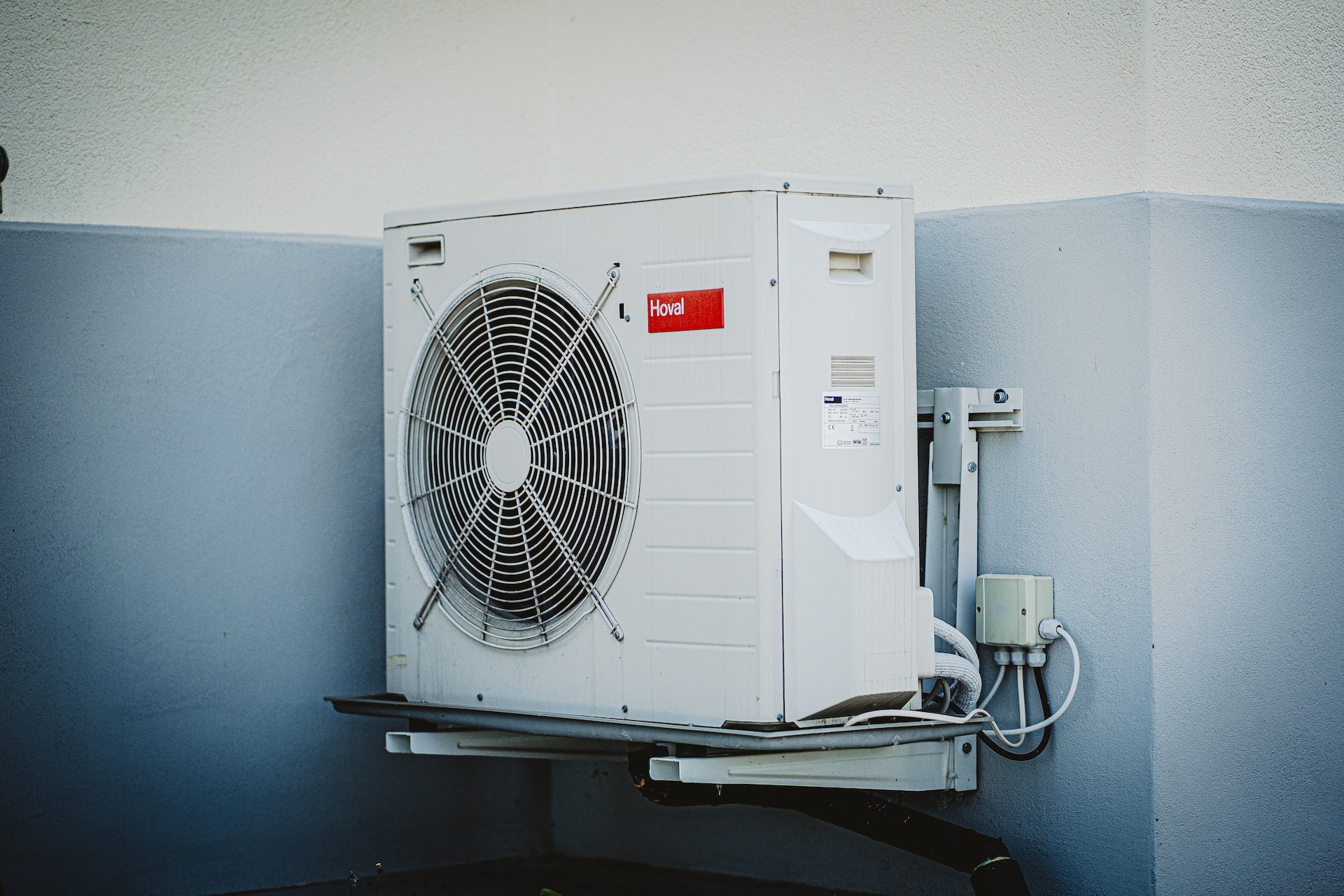
Commercial air conditioning

Air conditioning service and maintenance

Air conditioner repair

Ducted air conditioning
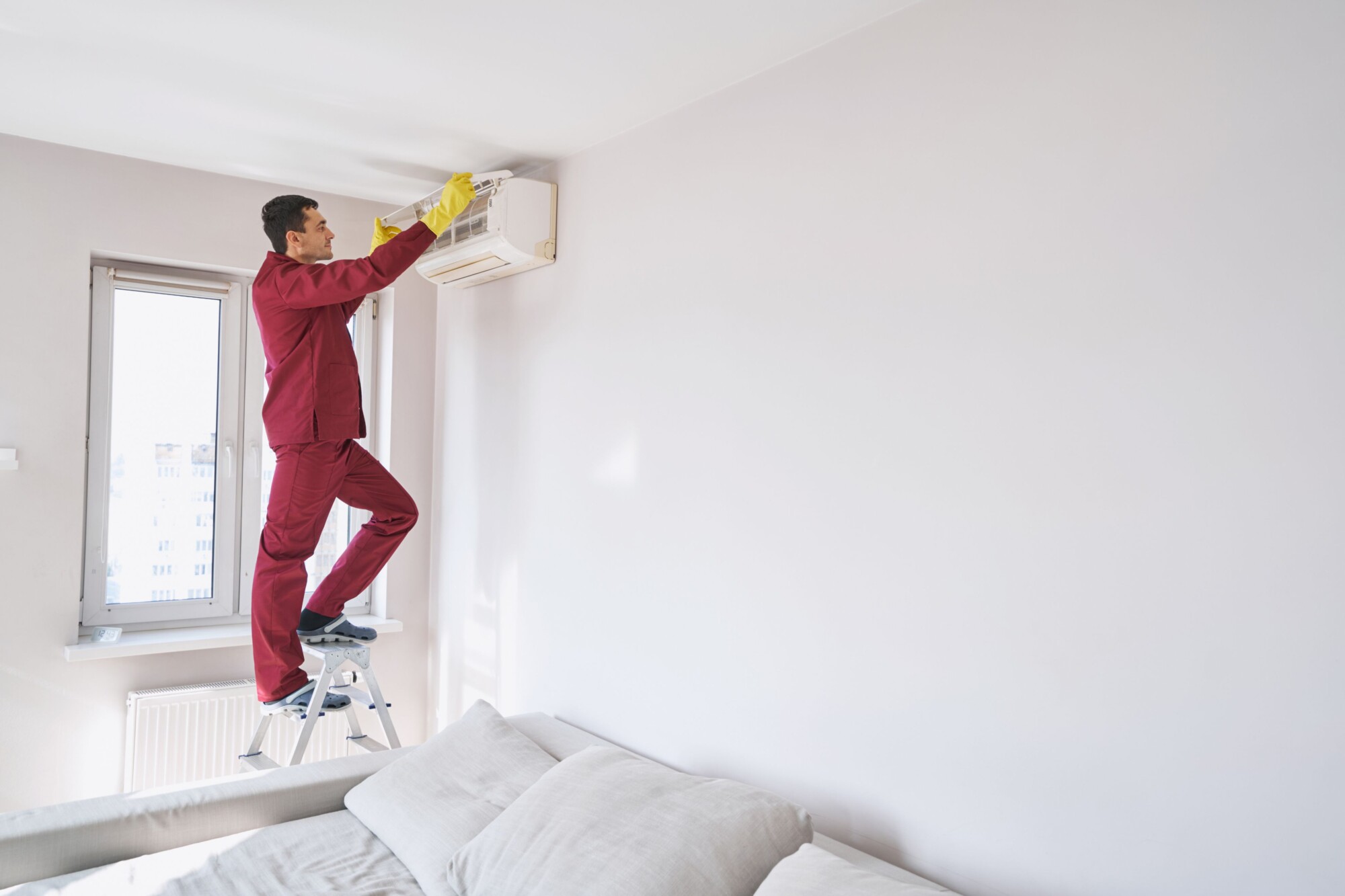
Air conditioner installation
What our customers say about us
“Thank you for installing our new air conditioner we are very happy with the results and we thank the technicians too for installing it in very trying conditions”
REGARDS, ERROL AND PAM NATHANIEL
FAQs
How do I choose between a split system and ducted air conditioning for my floor plan?
Split systems are perfect for cooling individual rooms on a budget. Conversely, ducted air conditioning suits larger family homes requiring seamless whole-house climate control across multiple spaces.
Can I install air conditioning if my home does not have roof space for ductwork?
Yes! If ceiling cavities are too tight for ducting, multi-split systems are an excellent alternative. They connect several indoor wall units to one single outdoor compressor, saving space beautifully.
How do glass windows and house orientation affect air conditioner sizing?
Large north or west-facing windows draw in massive amounts of harsh radiant heat. This increases your home’s overall thermal load, meaning you need a more powerful air conditioner to stay comfortable.
How many zones can be set up in a residential ducted air conditioner?
Most standard residential ducted systems can accommodate up to eight distinct climate zones. Advanced smart units, however, can be expanded to manage up to fourteen separate zones exceptionally well.